

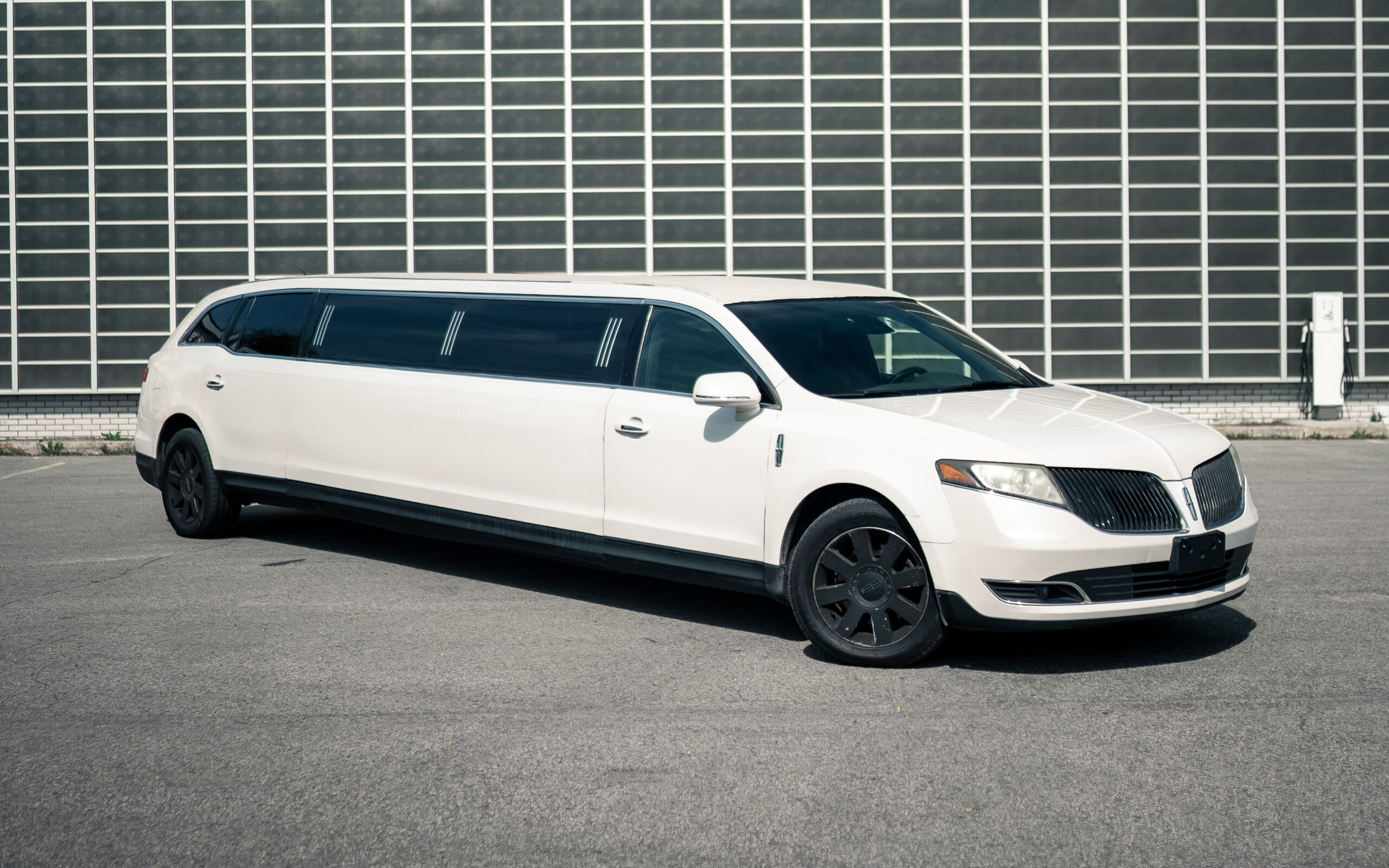
You can spend weeks choosing the wineries and still end up with a stressful wine day if the transportation is an afterthought. A wine tour limo service Livermore Valley gives your group a practical way to move between tasting rooms without putting one person behind the wheel. It also makes it easier to keep the day organized when reservations, lunch plans, hotel pickups, and several vineyard stops are involved.
People often make one simple mistake when planning a Livermore wine outing: they focus on how many wineries they can visit instead of how the entire day will flow. That can lead to rushed tastings, late reservations, parking concerns, and an awkward decision about who drives home. This guide explains how to build a realistic wine-country itinerary, choose the right vehicle, combine wine stops with business or airport travel, and arrange private transportation around your schedule. Sidhu Airport Limousine provides professionally arranged rides for wine tours, private trips, and business travel across the Tri-Valley.
Livermore has an unusually strong connection with wine. The City of Livermore identifies the area as California’s oldest wine region, while its historic records document early vineyards and wineries dating back to the 1800s. Wente Brothers and Concannon were among the historic producers that helped shape the local wine industry. Today, the scale is much larger than a handful of tasting rooms.
Current tourism information shows dozens of wineries and tasting rooms across the Livermore Valley. Visit Tri-Valley currently lists 55 wineries with tasting rooms, while the Livermore Valley Winegrowers Association provides a winery directory and itinerary-planning tools for visitors. That variety is useful, but it creates a planning challenge.
A wine tour is not simply a ride from point A to point B. The vehicle may need to remain available for several hours while the group visits different properties.
That is why a private wine-country itinerary should be planned as one complete journey.
The goal is not to visit every winery in one afternoon. It is to create enough space to enjoy each stop without watching the clock constantly.
A good wine itinerary starts with the wineries, not the vehicle. Choose the tasting experiences first, check their reservation requirements, and then build the transportation schedule around them. The official Livermore Valley wine directory allows visitors to check winery details and amenities, including whether reservations are required.
1. Pick two or three priority wineries.
Start with the places your group actually wants to experience. Avoid selecting six properties simply because they appear close together on a map.
2. Check tasting times.
A tasting may take longer than expected, particularly when the experience includes a seated presentation, food pairing, vineyard walk, or private appointment.
3. Create realistic gaps.
Allow time for getting back to the vehicle, settling in, driving, parking, and reaching the tasting room.
4. Add a proper meal break.
Lunch gives the group time to slow down between appointments. It also prevents the entire itinerary from feeling like a sequence of timed reservations.
5. Finish with a clear return plan.
Decide whether the final destination is a hotel, residence, restaurant, or another location.
Imagine a couple staying in Livermore who want to visit two wineries, stop for lunch, and spend the afternoon at a third tasting room.
Instead of arranging separate rides, they can reserve private winery transportation Livermore Valley, for the planned period. The driver remains available while the couple moves through the itinerary. That gives them more control over the day.
Pro tip: Build the schedule around your least flexible reservation. If one winery has a fixed tasting time, make everything else fit around that appointment.
The common mistake is treating estimated driving time as the entire travel requirement. A ten-minute drive does not mean the group will be ready to enter the next tasting room ten minutes later.
A private wine tour does not need to follow a standard package. Couples, families, and small groups may prefer an itinerary designed around their own interests. One group may care about vineyard scenery. Another may be more interested in food and wine pairings. A third may want to combine wine tasting with downtown Livermore. That flexibility is one reason private transportation can work well for the region.
A wine tour should leave room for conversation.
If every stop is separated by a tight 20-minute window, the group may spend more time checking the clock than enjoying the tasting room.
Visit Tri-Valley currently promotes seasonal wine experiences, harvest activities, tastings, food pairings, and special events, so the type of experience can vary considerably throughout the year.
The advantage is not simply comfort.
A dedicated vehicle can reduce the number of decisions passengers need to make during the outing. Nobody has to repeatedly check parking availability, decide who drives next, or arrange a separate ride after the final tasting.
It also gives the group a consistent transportation plan. That makes wine tasting transportation particularly useful for visitors unfamiliar with the area.
One misconception is that a private vehicle automatically means an expensive or oversized limousine. Vehicle choice should depend on the group size, luggage, itinerary, and comfort requirements.
Livermore Valley is not one compact tasting room district. The region includes wineries in different parts of the valley, and the official wine association’s visitor resources encourage guests to plan routes between properties. That means geography should influence your itinerary.
If your preferred wineries are spread across different parts of the valley, avoid creating unnecessary backtracking.
For example, instead of choosing a winery on one side of the valley, driving across town for another, then returning in the opposite direction, arrange the day around a logical progression. This saves more than driving time. It can also make the day feel calmer.
Your last winery should not be selected without considering where the group is going afterwards.
If everyone is returning to a hotel in Livermore, the route may be straightforward. If the group needs to continue toward another Tri-Valley city or an airport, the final winery choice may need more thought. This is especially important for visitors carrying wine purchases.
Make sure the vehicle has appropriate space for the passengers and belongings you expect to bring along.
Livermore’s identity is broader than tourism. The City describes the community as home to wine, advanced manufacturing, technology, and major scientific institutions. Lawrence Livermore National Laboratory and Sandia National Laboratories are part of the region’s science and technology profile.
That creates opportunities for business-related wine-country travel. A company might host visiting clients at a winery after a meeting. An executive group might combine a site visit with dinner. A conference organizer might arrange private transportation between a hotel, business facility, and tasting experience.
The common mistake is booking only the airport or hotel transfer and trying to arrange the wine-country portion later.
For a visiting client, a single coordinated itinerary is usually easier to manage. Sidhu Airport Limousine can arrange private transportation around business and leisure schedules rather than treating each journey as an isolated transfer.
Wine visitors do not always arrive through the same airport. The Livermore Municipal Airport is a general aviation reliever airport serving private, business, and corporate customers. The City says it primarily serves the Tri-Valley region, which has a population of more than 300,000.
That makes it relevant for private aviation and corporate itineraries. A visitor might arrive at LVK and continue directly to a hotel or winery. Another traveller may arrive through a larger commercial airport and need transportation into Livermore.
Consider a private aviation visitor arriving in Livermore in the morning. The transportation provider needs to know that the vehicle may be required for several hours.
For commercial airport car service Livermore, the journey may begin outside Livermore and end in wine country. If Oakland is part of the itinerary, a dedicated private car service to Oakland airport can be planned around the required pickup time and destination.
Before confirming the ride, provide:
For arrivals, allow time for baggage collection and airport procedures.
For departures, work backward from the required terminal arrival time instead of simply choosing a convenient pickup hour.
Choosing transportation for a wine tour involves more than checking photographs of vehicles. California’s Public Utilities Commission regulates charter-party carriers, which include limousine services and certain sightseeing and prearranged passenger transportation. The CPUC provides a public search for licensed passenger carriers and information about authority and insurance status.
The Commission’s consumer guidance also recommends checking licensing and insurance, getting a written agreement, confirming the vehicle, and verifying the carrier’s TCP information.
The wine portion of the day does not always end at the final tasting. Many groups want dinner afterwards. That is worth planning from the start.
A group that finishes a tasting at 5 p.m. may not want to return immediately to the hotel. They may prefer a restaurant in downtown Livermore or another Tri-Valley destination.
Livermore’s official visitor information highlights its historic downtown, restaurants, cultural attractions, wineries, and year-round events. That makes it easy to create a broader itinerary.
If the vehicle needs to remain available between destinations, tell the provider before the reservation is confirmed.
The biggest benefit of a professional chauffeur is not simply that someone else is driving. It is the reduction in small logistical decisions throughout the day.
A group can leave the hotel knowing the pickup has been arranged. After the tasting, nobody needs to search for parking or debate who should drive. The group can move directly to lunch or the next reservation. A professional chauffeur can also provide continuity throughout a multi-stop itinerary.
That does not mean every trip requires chauffeur service. A single short transfer may not justify it. But for a full wine-country day, the convenience can become more valuable. A reliable on-time pickup matters, but it should be part of a realistic schedule rather than an excuse to rush passengers.
The best wine-country itineraries leave enough room for the experience itself.
Livermore has the history, vineyards, tasting rooms, restaurants, and broader Tri-Valley attractions to support different styles of visits. The City’s current community information highlights more than 40 wineries and the valley’s long agricultural and wine-growing heritage.
That gives visitors plenty of choices. The trick is narrowing those choices into a manageable route. Choose the wineries first. Confirm reservations. Add lunch. Decide where the day ends. Then arrange transportation around that plan.
A private vehicle can be especially useful when the itinerary involves several stops, because the group does not have to rebuild its transportation plan after every tasting. That is the difference between a basic ride and a planned wine-country experience.
A successful wine outing starts with a realistic schedule, not the largest possible list of wineries. Choose a few experiences that genuinely interest your group. Leave time between appointments. Make lunch part of the plan. Confirm the vehicle size and service duration. If the trip includes an airport, hotel, business meeting, or dinner, include those details from the beginning.
Sidhu Airport Limousine provides private transportation for wine-country outings, corporate travel, airport transfers, and special occasions throughout the Livermore area.
If you are planning a wine tour limo service Livermore Valley itinerary, the next step is simple: finalize your preferred wineries, check their reservation times, and share the complete route with your transportation provider. The aim is not to fit more stops into one day. It is to make the day easier to enjoy.
Livermore Valley offers enough wineries and tasting experiences to build completely different kinds of wine-country days. You can plan a quiet couple’s outing, a group tasting tour, a client experience, or a full itinerary that combines wine, food, and local sightseeing.
The key is not simply selecting the wineries. It is connecting those stops with a realistic schedule.
Start with reservations. Build a sensible route. Leave room between tastings. Confirm the vehicle and passenger requirements. Then let the transportation plan support the day instead of dictating it.
If you are arranging a Wine Tour Limo Livermore experience, Sidhu Airport Limousine can be considered for a professionally arranged private itinerary across Livermore and the surrounding Tri-Valley.
A thoughtful plan means fewer transportation decisions during the day and more time for the part that brought you to wine country in the first place.
For most private groups, two or three wineries can create a more comfortable itinerary than trying to visit as many properties as possible. The right number depends on tasting length, reservation times, travel distance, lunch plans, and the pace your group prefers.
Livermore Valley has a large selection of wineries, so visitors have plenty of choices. Current Visit Tri-Valley information lists dozens of tasting rooms in the region.
Choose your priority wineries first. Then check their opening hours and reservation requirements. Add realistic travel time between them and leave some flexibility if a tasting runs longer.
A common mistake is booking four or five appointments with almost no gap between them. The day may look efficient on paper but feel rushed in reality.
Some wineries and tasting experiences require reservations, while others may have different visitor arrangements. The best approach is to check each winery directly before finalizing your itinerary.
The Livermore Valley Winegrowers Association’s winery directory includes information such as whether reservations are required, along with other visitor amenities.
If your group has a fixed transportation booking, reservations become particularly important. A delayed tasting can affect the next stop, especially when several appointments are scheduled close together.
Build the transportation itinerary around confirmed tasting times whenever possible. This creates a more predictable day and reduces unnecessary waiting.
Yes. A private vehicle can make sense for two people if you want a customized itinerary, hotel pickup, multiple winery stops, and a dedicated driver for the day.
However, the value depends on the length and complexity of the outing. If you only need a single transfer, a full private vehicle booking may not be necessary.
For a half-day or full-day itinerary, the convenience can become more noticeable. You do not need to navigate between wineries, search for parking, or decide who will drive after tasting.
The important step is choosing a vehicle appropriate for two passengers rather than assuming a large limousine is required.
Yes. In fact, adding a meal can make the itinerary easier to manage because it creates a natural break between tasting appointments.
When booking transportation, give the provider the restaurant address and expected dining time. If the vehicle is expected to remain available while the group eats, confirm that arrangement in advance.
A simple itinerary could be a hotel pickup, first tasting, lunch, second tasting, dinner, and hotel return.
The exact route should depend on the locations and reservation times. Avoid assuming that restaurants and wineries are interchangeable stops from a scheduling perspective.
It can, depending on the transportation provider and the specific booking arrangement. Livermore Municipal Airport is a general aviation airport serving private, business, and corporate customers, rather than a conventional large commercial passenger airport.
A private aviation passenger could arrange transportation from LVK to a hotel, winery, restaurant, or business destination.
When booking, provide the airport details, arrival time, passenger count, luggage requirements, and complete itinerary.
If the airport transfer is only the first part of a longer wine-country day, explain that clearly. A dedicated vehicle for several hours is a different service requirement from a simple airport drop-off.
Give the chauffeur the complete itinerary.
That should include the pickup address, winery names, tasting times, lunch or dinner location, number of passengers, final destination, and any important timing requirements.
If you plan to purchase wine, consider the amount of personal space and storage capacity available in the vehicle. For larger groups, this becomes especially important.
Also clarify whether the vehicle remains available throughout the day. A point-to-point booking may not automatically include waiting between destinations.
Clear information before the trip gives the transportation provider a much better picture of what the day actually requires.
The answer depends on what your group values.
Driving yourselves gives you direct control and may be suitable for visitors who are not participating in tastings. A chauffeur-driven vehicle removes the need for someone in the group to take responsibility for driving between wine stops.
California’s CPUC regulates charter-party carriers and provides a public search for licensed passenger carriers. Its consumer guidance also recommends checking licensing, insurance, written terms, and vehicle details before hiring a limousine.
For a tasting-focused day, private transportation can make the logistics easier. However, passengers should still drink responsibly and follow each winery’s rules.
Earlier is generally more practical when the trip involves several winery reservations, a larger group, a special occasion, or a busy wine-country period.
Start with the wineries because their availability determines the shape of the itinerary. Once the tasting appointments are confirmed, arrange transportation around them.
This approach also gives you time to confirm vehicle capacity, pickup details, service duration, additional stops, and pricing.
For a simple weekday outing with a small group, the planning window may be shorter. For a birthday, anniversary, corporate event, or larger group, arranging transportation earlier gives you more opportunity to match the vehicle and schedule to the actual event.